
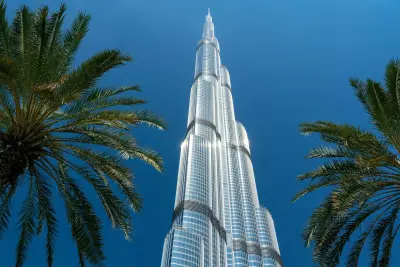
BURJ KHALIFA ARCHITECTURE
Burj Khalifa – the tallest building in the world
The Burj Khalifa skyscraper in Dubai, United Arab Emirates, is a remarkable example of modern architecture, combining innovative design with Islamic cultural influences. Developed by Emaar Properties and designed by Skidmore, Owings & Merrill (SOM) with Adrian Smith as the lead architect, it became the world’s tallest building, topping Taipei 101 when it opened in 2010.
Its tall, sleek shape is inspired by traditional Islamic architecture from the Middle East, particularly the Great Mosque of Samarra minaret. The Burj Khalifa’s efficient design features a Y-shaped floor plan that maximizes space for residential, office, and hotel use, includes setbacks to reduce wind resistance, and uses durable materials like reflective glass and stainless steel to endure Dubai’s extreme heat.

Design inspired by nature
The Burj Khalifa has a Y-shaped design with three main sections for residential, commercial, and hotel spaces. Architect Adrian Smith drew inspiration from the Hymenocallis flower, or Spider Lily, a desert plant. The building has a harmonious and elegant design that transforms as it rises, resembling the flower’s petals.
The Y-shape gives the Burj Khalifa its distinctive, iconic appearance. It reflects the region’s love for geometric patterns in Islamic architecture and connects to the local flora and nature. This particular design also helps to maximize space and provides clear views of the Dubai panorama from most interior areas. The shape allows more natural light to fill the building, reducing the need for artificial lighting and supporting sustainability. This design combines both beauty and practicality, optimizing space and natural light while ensuring the building remains structurally strong.

The spire – where innovation meets tradition
As the Burj Khalifa rises, it has 27 setbacks that gradually narrow the tower and create outdoor terraces. These steps also help reduce wind vibrations. At the top, the central core extends into an impressive spire measuring approximately 200 meters in height. Inspired by regional Islamic architecture, including the spiral minaret of the Great Mosque of Samarra, the spire completes the tower’s iconic silhouette and houses communications equipment.
Made of over 4,000 tons of structural steel, the spire narrows as it rises, giving the tower a sleek look. Although it holds communications equipment, most of its space remains unused. The spire was built inside the tower and lifted to its full height using a hydraulic pump. In addition to its aesthetic appeal, the spire plays an important role in contributing to the building’s structural integrity and temperature regulation, improving its air conditioning system.
To truly appreciate the architectural marvel of the Burj Khalifa from a different perspective, many visitors pair their visit with the Sky Views Observatory, which offers a stunning vantage point of the tower’s spire and the surrounding urban design.

Redefining safety and design
The Burj Khalifa is probably best known as the tallest building in the world, but its true importance lies in how it overcame challenges due to its height. It serves as an inspiration to architects, especially in safety and design. Built with reinforced concrete for strength and stability, the Burj Khalifa is designed to endure high wind forces, seismic forces, and extreme temperatures, providing long-lasting safety.
Additional safety features like clearly designated exit routes, fireproof floors, and protected escape stairs were created with its size in mind. The building is divided into compartments with air-conditioned refuge floors every 13 floors to ensure safety in case of an emergency. The exterior is covered with 142,000 m² of reflective glass panels, providing protection from Dubai’s extreme climate and providing stunning views. If you are planning to see these views for yourself, we recommend reviewing our guide on visiting Burj Khalifa for information on the best times to arrive and what to bring.

Inside the Burj Khalifa
The Burj Khalifa was initially planned as a residential building but became a mixed-use building as it grew taller. It includes three main sections: residential, office, and hospitality, making it a place for living, working, dining, tourism, and sightseeing. Architect Adrian Smith designed separate lobbies for each section to accommodate its unique Y-shape. The residential section contains 900 homes with various amenities like indoor-outdoor pools, a health club, a library, and a cigar lounge. The areas designated for the office spaces are located higher in the building, and there are also hospitality options, such as the 304-room Armani Hotel Dubai, designed by Giorgio Armani, and various restaurants. Visitors can enjoy sky lounges and observation decks with stunning views of the Arabian Gulf. The Burj Khalifa is also connected to the Dubai Mall, offering shopping, dining, and entertainment. The building features 57 elevators and eight escalators, including the world’s fastest double-deck elevators and special stairs that reach the 160th floor.
Ready to climb to the top of Burj Khalifa?

Skip-the-line
Burj Khalifa 124 and 125 Floor/Level Ticket
Ride one of the world's fastest elevators to the 125th floor and enjoy 360-degree views from the observation deck of the Burj Khalifa, the world’s tallest building. Learn about the architecture, historical construction, and technology behind this iconic skyscraper at the exhibition on the ground level, and use telescopes to view the city in detail. Choose your preferred time slot to watch the stunning Dubai Fountain show with synchronized music, or select the sunset experience for unique city views as the sun sets over the skyline.

Access to 124th, 125th & 148th floors
Burj Khalifa 148 Floor/Level Ticket
Skip the crowds with priority entry to the Burj Khalifa’s 124th, 125th, and 148th floors, including the outdoor terrace at the world's highest observation deck. Reach Level 148 at a height of 555 meters, starting at the SKY Lounge. Select the sunset option for stunning views of Dubai at golden hour. Learn about the building’s design and technology, enjoy interactive projections on the way up, and watch the Dubai Fountain show from above. Explore the exhibition on the construction of Burj Khalifa in the ground-floor gallery.

The interior design
The Chicago office of Skidmore, Owings & Merrill designed the interior of the Burj Khalifa’s public areas. The design combines glass, textured stainless steel, polished dark stones, handmade rugs, and stone. Silver travertine flooring adds a luxurious and elegant look to the floors and walls.
Venetian stucco was applied to both the walls and ceilings to brighten the spaces and provide a smooth, glossy, marble-like appearance. Over 1,000 art pieces by Middle Eastern and international artists decorated the Burj Khalifa and the nearby Emaar Boulevard, many of which were specially commissioned.
The oasis at the base
At the base of the Burj Khalifa is an 11-hectare area with gardens, trees, and water features. The desert flower of the Hymenocallis inspires the park’s design and includes, in the center, the water room with pools and fountains. This system collects condensation from the tower’s cooling equipment to irrigate the plants. This way, it provides 15 million gallons of water a year, enough to fill 20 Olympic-sized pools. The park’s sustainable water management system highlights the building’s commitment to conservation and environmental responsibility.

The Dubai Fountain
The Dubai Fountain, situated outside the Burj Khalifa, stretches 270 meters long and can shoot water up to 150 meters high. With a construction cost of approximately US$217 million, the popular fountain is the world’s largest dancing fountain. It features 6,600 lights and 50 colored projectors and performs diverse music, from classical to modern Arabic.
Podium and access
The podium stabilizes the Burj Khalifa to the ground and provides access to different building levels from three sides. The building has separate entry pavilions for the Corporate Suites, Burj Khalifa residences, and the Armani Hotel, all built with a cable-net structure. About 3,000 underground parking spaces encourage people to use the nearby metro station and light railway for easier access.
Find out what makes the Burj Khalifa so unique!

Hotel Pick-up
Burj Khalifa Small-Group Guided Tour
Join our small group tour for an exciting Dubai adventure, starting with skip-the-line access to the Burj Khalifa - the world's tallest building. Enjoy hotel pick-up and the assistance of a professional guide as you ride the fastest elevator to the 124th floor, where you'll enjoy stunning views through floor-to-ceiling glass windows. The tour also includes visiting the Dubai Museum, Souk Madinat, a traditional gold and spice market, and a scenic water taxi ride.

Pick-up, transport & customizable itinerary
Burj Khalifa VIP Tour
Skip the lines with exclusive access through a separate VIP entrance and enjoy priority entry to the Burj Khalifa’s observation decks on floors 124, 125, and the exclusive Level 148. Relax with refreshments at the lounge while receiving personalized attention from our expert guide. Learn about Burj Khalifa's architecture and design and enjoy the stunning panoramic views of Dubai’s skyline, desert, and the Arabian Gulf from Level 148, the highest observation deck in the world. Travel in luxury with private transfers to and from the Burj Khalifa for a comfortable experience throughout your visit.